
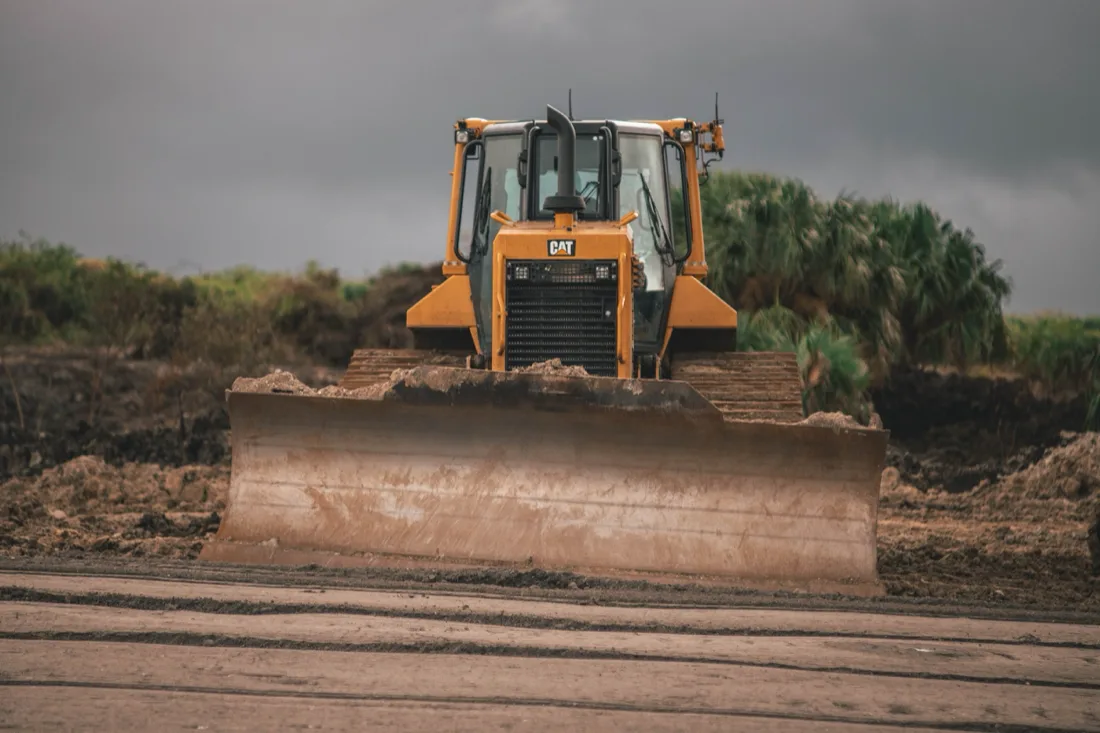
How much does a house pad cost in Alabama?
Current 2026 guides put house pad construction at $0.75 to $5.00 per square foot, which makes a typical 2,000-square-foot pad roughly $1,500 to $10,000. The spread is honest: a level, dry lot sits at the bottom of it, and a low site needing truckloads of compacted fill climbs toward the top.
Those are national published ranges, not our rate card - and Alabama construction pricing generally runs below national averages, which works in your favor. Our excavation and pad quotes come from walking the actual site, but here is where the money goes and what moves it.
What are you actually paying for in a pad?
Four things, in sequence:
| Pad component | Typical 2026 pricing | Notes |
|---|---|---|
| Clearing (if wooded) | $1,000 – $5,000 per acre | Trees, stumps, and debris off first |
| Machine work (grading/cut-fill) | $50 – $200 per hour | Operator + dozer or excavator |
| Common fill dirt | $15 – $30 per cubic yard | Plus trucking |
| Select/structural fill | $25 – $50 per cubic yard | Where the engineer specs it |
| Compaction in lifts | Built into the work | The part that protects the slab |
The quiet variable is trucking. Fill is cheap per yard and brutal to haul, so distance from the pit does real work on the total - guides note freight can rival the material cost on long runs, which is one reason a local dirt contractor with local sources quotes better than a distant one.
Why do two similar lots quote so differently?
Because the pad price is mostly a measure of how far your ground is from build-ready. A flat, dry parcel where the pad is mostly shaping might be a day of machine work. A low parcel that needs two feet of elevation across the footprint is dozens of truckloads placed in six-to-eight-inch lifts with compaction between each, and the material plus trucking plus machine hours all scale with it.
South Alabama adds its own version of this: a lot of our ground sits low and holds water, so pads here often carry a drainage job inside them - the pad crowned above surrounding grade, fall shaped away from the house, and the site draining after we leave. That is exactly the work our grading and dirt work page covers, and skipping it is how new slabs end up damp every winter.
The compaction part nobody sees and everybody needs
A pad fails invisibly. Fill dumped loose and bladed flat looks identical to fill placed in lifts and compacted - for about a year. Then the loose pad settles, unevenly, and the slab on top cracks along the settlement. Engineered projects verify compaction with testing because the stakes justify it, and even on residential pads the discipline is the same: thin lifts, proper moisture, real compaction passes.
It is the least photogenic money in the whole build and the best-spent. When we hand a builder a pad, the point is that nobody ever thinks about it again.
How do you get a real number for your site?
Have it walked. A real pad quote needs the footprint size, the existing grade, an honest read on fill needs, and the access for trucks - fifteen minutes on site settles all four. Ours also names what the concrete slab scope would cost separately if you want the pad and pour sequenced together, so the two lines stay comparable against any bid.
Free estimates, straight numbers, and a pad your slab can trust: (251) 747-7839 any hour, or start at the contact page.